

From Delivery to Dinner: Best Practices for Storing Your Sushi‑Grade Catch
Storing sushi-grade fish the right way is a must for safety and flavor. These premium cuts are often eaten raw, which means there's no cooking step to kill bacteria. This makes storage a critical part of the preparation process. Whether you're a home chef or a seasoned sushi lover, understanding the storage tips for raw seafood helps prevent foodborne illness and preserves the delicate texture of your fish. Keeping your catch cold, dry, and separate from other items is a simple habit that makes a big difference. That’s why top-tier sushi experiences begin not just at the table but from the moment your fish arrives.
Ordering Sushi-Grade Seafood Online
Choosing Reputable Suppliers
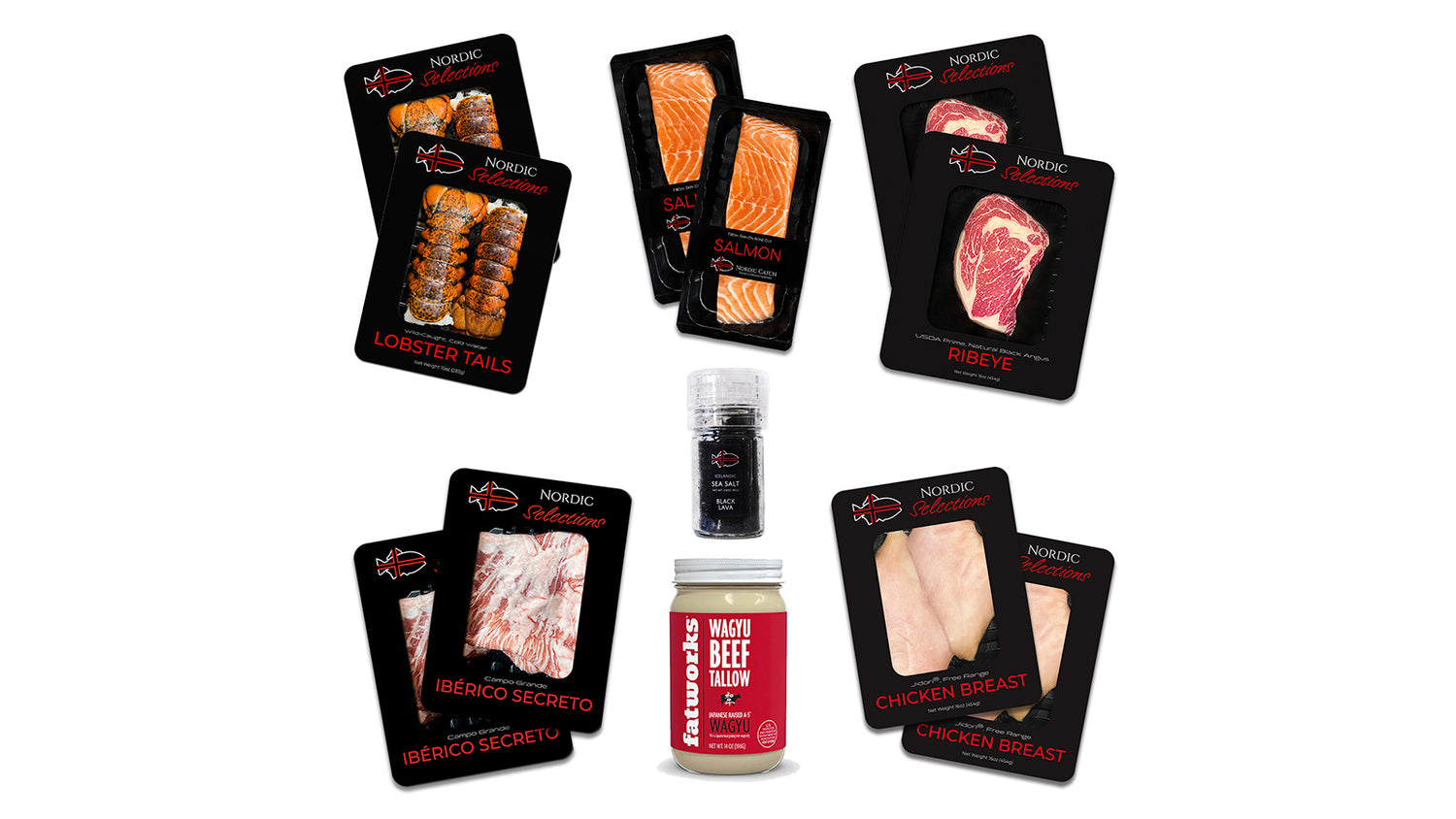
Quality providers like Nordic Catch work directly with fisheries to offer ocean-to-table fish, which means the catch is handled quickly and carefully. Look for detailed origin information, handling certifications, and customer reviews. A reliable supplier should offer clear insights into how their seafood is processed, stored, and shipped. Transparency is a good sign of quality and safety.
How to Buy Seafood Online
One must understand how to identify and select fresh, high-quality seafood suitable for sushi, focusing on visual, tactile, and olfactory indicators. Cold chain logistics maintain a constant, cold temperature during transport, keeping the fish fresh until it reaches your door. Look for companies that ship with insulated boxes, frozen gel packs, or dry ice. These methods help maintain proper storage temperatures during transit. Vendors should also indicate how quickly their shipments are processed and delivered. Fast turnaround and next-day shipping are excellent indicators of freshness. Some even include temperature sensors in the package, allowing you to verify conditions upon arrival. Understanding these shipping methods builds confidence in your purchase and minimizes the risk of spoilage.
Verifying Delivery Timeframes
Timely delivery is critical when it comes to raw seafood. Double-check estimated shipping and arrival dates. Some suppliers offer guaranteed delivery windows, which are essential for maintaining freshness. Fish should remain between 32°F and 38°F during transport. If the vendor provides tracking information and live temperature data, that’s even better. This kind of detail lets you plan your storage steps. Be sure to arrange for someone to receive the package as soon as it arrives. Delayed pickups can lead to temperature changes that affect quality. Temperature fluctuations can also encourage bacterial growth, even in sushi-grade products.

Seafood Home Delivery vs. Fish Market Delivery
With fresh seafood delivery, the convenience of getting your order at home is unbeatable. Trusted online vendors often ship products packed with dry ice or gel packs, helping maintain quality. Fish market delivery may offer more variety, but it usually lacks the packaging technology of larger suppliers. Local markets can offer fresher cuts if you live near the coast. They may also offer personalized recommendations. Each method has benefits, and the right choice depends on your location, schedule, and desired fish type.
Health Considerations for Raw Consumption
Eating raw seafood, a cornerstone of sushi culture, offers a unique culinary experience but also introduces distinct health risks that demand careful consideration. Unlike cooked seafood, raw fish and shellfish are not exposed to temperatures high enough to eliminate pathogens, making the risk of foodborne illness a real concern. The potential hazards of consuming raw seafood stem from a wide array of microorganisms and contaminants, including bacteria such as Salmonella, Vibrio, and Listeria; viruses like norovirus and hepatitis A; and parasites such as Anisakis and tapeworms. These pathogens can enter seafood at any stage and, if ingested, may lead to foodborne illnesses characterized by symptoms like nausea, vomiting, diarrhea, abdominal cramps, and fever. While many healthy adults may recover quickly from mild cases, these illnesses can be severe, prolonged, or even life-threatening for certain vulnerable populations.
Understanding who is most at risk is essential. The U.S. Food and Drug Administration (FDA) and other food safety authorities highlight that pregnant women, young children, older adults, and individuals with weakened immune systems face a heightened risk of complications from foodborne pathogens. For these groups, the consequences of infection can include severe dehydration, hospitalization, and in extreme cases, death. As a result, it is strongly advised that at-risk individuals avoid raw or undercooked seafood entirely. This includes not only raw fish and shellfish but also dishes that incorporate them, such as sashimi, ceviche, and refrigerated smoked seafood. Even post-harvest treated products or “nova-style” smoked fish may not be fully safe for these populations unless thoroughly cooked, as some resistant pathogens can survive processing.
For the broader population, the enjoyment of raw seafood should be accompanied by strict adherence to safety measures. Sourcing is paramount: always purchase seafood from reputable suppliers who follow rigorous handling, freezing, and sanitation protocols. Freezing fish at -4°F (-20°C) or below for at least seven days is a widely recommended method for killing parasites, particularly those found in wild-caught species. However, it is crucial to recognize that freezing does not eliminate all bacteria or viruses, especially those that may contaminate seafood post-harvest. Even sushi-grade or previously frozen fish carries some level of risk, and consumers should remain vigilant.
General precautions for all consumers begin with careful inspection upon receipt. Check for signs of spoilage and discard any seafood that appears questionable. Adhere to recommended storage timelines: raw fish should be consumed within 24 to 48 hours of delivery, and never eat seafood that has been left unrefrigerated for more than two hours (or one hour if ambient temperatures exceed 90°F). Bacteria multiply rapidly in the “danger zone” between 40°F and 140°F, increasing the risk of illness with each passing minute.
Hygiene is equally critical. Wash your hands thoroughly with soap and warm water before and after handling raw seafood. Sanitize all surfaces, utensils, and cutting boards that come into contact with fish to prevent cross-contamination. Use dedicated tools for raw seafood, and avoid using the same equipment for ready-to-eat foods without proper cleaning and sanitizing in between. When preparing dishes like ceviche, remember that acidic marinades may reduce surface bacteria but are not a substitute for proper freezing or cooking, as they do not eliminate all pathogens or parasites.
Be aware of specific risks associated with certain types of seafood. For example, shellfish such as oysters, clams, and mussels can harbor naturally occurring bacteria and viruses from their marine environment, some of which are highly resistant to post-harvest treatments. The FDA specifically warns that even treated raw oysters are not safe for at-risk groups. Additionally, certain large, long-lived fish species—such as king mackerel, shark, swordfish, and bigeye tuna—may contain higher levels of methylmercury, a neurotoxin that can accumulate in the body over time and is particularly harmful to developing fetuses and young children. Pregnant women, breastfeeding mothers, and young children should avoid these species and opt for fish lower in mercury, following official consumption guidelines to strike a balance between nutritional benefits and safety.
Recognize the symptoms of foodborne illness, which can appear anywhere from 20 minutes to several weeks after consumption. Common signs include nausea, vomiting, diarrhea, abdominal pain, fever, and muscle aches. If you or someone in your household develops these symptoms after eating raw seafood, seek medical attention promptly. Early intervention can be crucial in preventing severe complications.
Stay informed about local and national advisories regarding seafood safety, particularly if consuming fish caught by friends or family. Environmental contaminants, harmful algal blooms, and pollution can impact the safety of seafood, even if it appears fresh and high quality. When in doubt, consult resources such as the FDA, EPA, or your local health department for up-to-date information. While raw seafood can be enjoyed safely by many, it is not without risk. At-risk groups should avoid it entirely, and all consumers should follow strict sourcing, storage, hygiene, and preparation protocols to minimize danger. By understanding these health considerations and acting with caution, you can savor the unique flavors and textures of raw seafood while prioritizing your well-being.
Immediate Steps Upon Delivery
Inspecting Packaging and Checking Temperature at Arrival
The first thing to do when your sushi-grade order arrives is to inspect the packaging. Look closely for signs of damage or exposure to warm air. If the box is wet, crushed, or improperly sealed, this could indicate a problem. Your raw seafood box should arrive cold to the touch, and the interior should contain cold packs, dry ice, or thermal liners. Use a food-safe thermometer to take a reading of the fish immediately.
How to Store Sashimi Cuts Right Away
Sashimi cuts are especially delicate and require careful handling. If you plan to eat them soon, transfer the fish to a shallow, sealed container and store it in the coldest part of your refrigerator. For longer storage, vacuum sealing helps retain texture and flavor. The key to success in storing sashimi is minimizing air exposure and maintaining a steady, cold temperature. Avoid stacking containers, which can trap heat and lead to spoilage. If your fridge has a special setting for fish or meat, use it to optimize freshness.

Labeling With Delivery and Catch Dates
Good labeling practices help you track freshness and avoid confusion. Write both the delivery and catch date on each container using a waterproof marker. If this information isn’t provided with the order, contact your vendor to confirm it. Clear labeling allows you to apply FIFO (first-in, first-out) rotation, ensuring older fish are used before newer deliveries. This is especially important when you regularly receive multiple orders. Labeling also makes it easier to identify how long each portion has been stored, which helps prevent unintentional consumption past the safe window. While it may seem like a minor detail, accurate labeling is an integral part of every professional kitchen’s workflow. Treat your storage area like a culinary workspace by adding clear, legible dates.
Preventing Cross-Contamination With Proper Separation
Maintaining clean separation between different food types is a critical part of storing raw seafood. Cross-contamination can occur when juices from raw fish come into contact with ready-to-eat items or cooked food. It’s essential to keep your sushi-grade catch completely isolated from other items. Here’s a guide:
-
Use Dedicated Storage Zones: Establishing exclusive zones for raw seafood in your refrigerator creates a controlled environment where fish can remain at optimal temperature and humidity without coming into contact with other foods. Start by designating a specific drawer or shelf. Ideally, one with its temperature control if your unit offers it. Use clear, reusable bins or trays with raised edges to contain any potential leaks, and label them prominently with the date of storage and type of seafood. This approach not only prevents accidental placement of other perishables in the same area but also makes daily inventory checks more efficient. Over time, the habit of returning fish to its designated zone reduces the chance of misplacement, ensuring that raw seafood stays separated from ready‑to‑eat meals, dairy, and produce. To maintain consistency, map out your refrigerator’s layout on a whiteboard or chart near the unit as a visual reminder.
-
Separate by Species: Different types of fish harbor unique enzymes, oils, and bacterial profiles that can interact if stored together, potentially accelerating spoilage or transferring off‑odors. To avoid these issues, store each species in its own sealed, airtight container or vacuum-sealed bag. Transparent containers allow you to visually monitor any color changes or liquid accumulation without opening them, while vacuum sealing minimizes oxygen exposure and slows bacterial growth. Label each container not just with the species name and date but also with key handling notes, such as “consume within 48 hours” or “keep on ice pack.” If space is limited, consider tiered shelving systems or stackable container sets designed for commercial kitchens; these keep items separated yet accessible. You might also allocate a small cooler with ice packs for highly aromatic fish like mackerel, preventing their more pungent scent from affecting milder varieties. When introducing new deliveries, rotate older stock to the front so that none of the containers remain forgotten in the back.
-
Clean Surfaces Thoroughly: Implement a two‑step cleaning process: first, remove visible debris with a scraper or soapy water, then apply a food‑safe sanitizer—such as a diluted bleach solution (50 ppm) or a commercial quaternary ammonium spray—allowing the recommended contact time (usually one to three minutes) before wiping dry. Pay special attention to seams, grooves, and the undersides of cutting boards where liquids often collect. For wooden boards, use a food-grade disinfectant that won’t degrade the fibers. After sanitizing, let the board air-dry upright to reduce moisture retention. Stainless steel surfaces benefit from a final pass with isopropyl alcohol to evaporate any remaining moisture. Schedule deep‑clean sessions at least once a week: disassemble removable parts of countertops, sanitize refrigerator interiors, and inspect seals and gaskets for mold or residue.
-
Avoid Shared Tools: Assigning exclusive knives, utensils, and cutting boards for raw seafood prevents inadvertent transfer of pathogens to other foods. Color‑coding is an effective strategy: designate blue for fish, red for red meat, green for vegetables, and so on. Invest in knife racks or wall-mounted magnetic strips where each blade resides in its own slot, clearly labeled to prevent mix-ups. Replace wooden handles with plastic or composite materials that can withstand frequent sanitization without absorbing moisture or odors. When a tool must move from one station to another, such as from seafood preparation to vegetable cutting, a mandatory wash-and-sanitize step should intervene. Keep separate drying racks labeled by use type so that utensils air‑dry in isolation. For hard-to-clean items like fishbone tweezers, consider having multiple ones on hand to allow for rotation through a dishwasher or sterilizer. If space allows, install a dedicated knife sink near your seafood station to streamline the cleaning process between tasks. Training everyone involved in your kitchen on the rationale and procedure for tool separation builds collective accountability.
-
Store on Lower Shelves: Gravity dictates that any drips or leaks from raw seafood will fall downward, posing a risk to foods stored below. To prevent this, always place all packages, bins, or trays of fresh fish for sushi on the lowest shelves of the refrigerator. If your fridge has a designated meat drawer at the bottom, repurpose it for seafood, ensuring it remains between 32°F and 38°F (0–3°C). Place a secondary tray or absorbent liner under your containers to catch any accidental seepage, and replace or wash the liner daily. For multi‑door or French‑door units, position fish in the bottommost full‑width compartment and avoid storing any ready‑to‑eat items beneath it. In commercial or large–capacity home fridges, install spill-proof shelving mats that channel liquids into a removable reservoir, making cleanup effortless.
Implementing these sushi-grade preservation methods creates a robust framework for seafood storage that safeguards both your health and your culinary craft.
Hygiene, Safety, and Parasite Control
There are measures to minimize microbial risks, prevent cross-contamination, and manage parasite hazards, including the role of freezing and marinade treatments in ensuring safe consumption of raw seafood. Rigorous hygiene and safety protocols are essential. Always sanitize hands, surfaces, and utensils before handling fish to minimize microbial risks. Prevent cross-contamination by storing raw seafood separately from other foods and using dedicated tools. Parasite hazards can be managed by sourcing fish that have been commercially frozen at temperatures cold enough to kill parasites, typically -4°F (-20°C) or lower for at least seven days. Additionally, acidic marinades like citrus or vinegar can reduce surface bacteria, though they do not replace proper freezing. Adhering to these measures maximizes both safety and quality.
Best Practices for Raw Seafood Storage
Using Crushed Ice, Chilled Trays, and Humidity-Controlled Containers
When it comes to storage for raw fish, simple materials can make a big difference. Crushed ice provides a reliable method for keeping fish cold while also controlling surface moisture. For best results, place the fish on a raised tray above the ice to keep it dry while maintaining a cool temperature. Humidity-controlled containers are also useful, as they prevent excess moisture loss without allowing buildup.
Vacuum Sealing and Advanced Refrigeration Options
Vacuum sealing is one of the most effective ways to preserve raw seafood when not consumed immediately. By removing air, you reduce oxidation and extend the product’s lifespan. This method works well for both small and large portions, helping to prevent the fish from absorbing odors from other foods. Advanced refrigeration units with precise humidity and temperature controls offer an additional level of control. Some models even feature fish-specific compartments.
Thawing Techniques
Thawing frozen sushi-grade seafood properly is crucial for preserving its delicate texture and minimizing the risk of foodborne illness. Unlike standard thawing methods, sushi-grade fish requires extra care to maintain both safety and the premium quality expected for raw consumption. The following recommended thawing techniques will help you achieve optimal results while reducing potential health risks.
-
Refrigerator Thawing for Optimal Safety and Texture: The safest and most reliable method for thawing sushi-grade seafood is to transfer it from the freezer to the refrigerator. Place the sealed fish on a plate or tray to catch any drips and allow it to thaw slowly at a temperature between 32°F and 38°F (0–3°C). This gradual thaw preserves the fish’s texture, prevents rapid bacterial growth, and minimizes moisture loss, resulting in a firmer, more flavorful bite. Plan for 8–12 hours of thawing, depending on the thickness of the fillet.
-
Cold Water Bath for Faster Thawing: If you need to thaw seafood more quickly, submerge the vacuum-sealed or tightly wrapped fish in a bowl of cold water. Change the water every 30 minutes to maintain a consistently low temperature and prevent the surface from warming up. This method typically takes 1–2 hours, depending on portion size. Avoid using warm or hot water, as it can cause uneven thawing, degrade texture, and encourage bacterial growth—especially risky for fish intended to be eaten raw.
-
Avoiding Room Temperature Thawing: Never thaw sushi-grade seafood at room temperature, as this exposes the fish to the “danger zone” (40°F–140°F or 4–60°C), where bacteria multiply rapidly. Even brief periods at ambient temperatures can compromise both safety and quality, resulting in a mushy texture and heightened health risks. Always prioritize controlled, cold environments for thawing, whether in the refrigerator or using a cold water bath, to ensure the fish remains safe for raw consumption.
-
Microwave Thawing Only as a Last Resort: While not recommended for sushi-grade seafood, microwave thawing on the “defrost” setting can be used if immediate preparation is necessary. Use this method only if the fish will be consumed immediately, as microwaves can cause uneven thawing, partial cooking, and significant texture loss. Stop the cycle while the fish is still icy but pliable, and inspect carefully for any cooked spots. For best results, reserve this method for emergencies and avoid it whenever possible.
By following these thawing techniques, you’ll preserve the integrity and safety of your sushi-grade catch. Proper thawing is a critical step in enjoying raw seafood at its best, ensuring every bite is both delicious and safe.
Extended Preservation Methods and Safety Tips
Shelf Life of Raw Fish
The general rule is to consume sushi-grade cuts within 24 to 48 hours of delivery. This short timeframe ensures you're enjoying the product at its peak. After that window, the risk of bacterial growth increases, even with refrigeration. Most types of gourmet fish for sushi begin to lose texture and flavor rapidly after two days. To stay on the safe side, plan your meals around your seafood delivery schedule.

Salting, Citrus Curing, and Cedar Plank Storage Techniques
These methods don’t replace cold storage, but they can extend freshness and add unique flavor profiles. Whether you’re preparing a meal in advance or experimenting with new textures, these preservation methods offer extra flexibility in managing raw seafood storage tips:
-
Salting: Rather than applying a heavy crust, a judicious sprinkling of coarse kosher or sea salt over the fillet surface initiates osmosis: salt molecules draw water out of the muscle tissue, tightening protein fibers and creating a slightly more resilient bite. This moisture migration not only reduces the water activity that bacteria rely upon but also concentrates the fish’s natural flavors, yielding a deeper, almost umami‑rich taste. To perform this method, lay your fillet skin-side down on a non-reactive tray and distribute salt evenly, aiming for roughly a half-teaspoon per 100 grams of fish. Allow it to rest uncovered in the coldest section of your fridge for 20–30 minutes. After this brief cure, gently rinse the salt under cool running water and pat dry with a clean cloth; this step removes excess sodium and reveals a beautifully firm surface.
-
Citrus Curing: Harnessing the acidity of citrus fruits offers a dual benefit: you achieve a mild “cook” through protein denaturation while simultaneously lowering surface pH to slow bacterial growth. When you submerge thin fish slices in a bath of freshly squeezed lime, lemon, or even yuzu juice, the citric acid begins to break down muscle proteins, tenderizing the flesh and lending a bright, tangy undertone. This process, known as “ceviche‑style” curing, requires precise timing. Generally 10 to 15 minutes for delicate white fish, up to 30 minutes for fattier cuts like salmon or tuna belly. Overcuring risks turning the flesh chalky, so be sure to sample a small piece after the minimum time.
-
Cedar Plank Storage: Unlike other woods, cedar contains naturally occurring phenolic compounds, such as thujaplicin, that offer mild antimicrobial action while imparting an earthy, resinous fragrance. To prepare, soak a food-grade cedar plank in cold water for at least 1 hour, ensuring it is thoroughly saturated. After draining, place the fillet flesh-side up on the plank, then loosely cover it with parchment or cheesecloth to protect against direct air exposure. Store this assembly in the coldest part of your refrigerator for up to 12 hours. During this period, the plank absorbs excess surface moisture, reducing the tendency for the fish to become waterlogged, while subtly transferring its aromatic profile into the flesh.
Each method brings its own blend of biochemical transformation and sensory nuance, empowering you to tailor every slice to the experience you envision.
Treating sushi-grade fish with respect begins the moment it’s purchased and continues all the way to the plate. Every detail matters, from choosing a reliable supplier to properly storing and preparing the catch. Careful handling safeguards the natural texture and vibrant color of each cut. When you order seafood online, the final stretch of that journey begins. Take time to follow professional storage practices, and you show an appreciation for the ingredient’s quality and the effort that went into sourcing it. Enjoy the pure taste of ocean-to-table freshness with responsibly sourced, Nordic Catch sushi-grade seafood.