

A seafood boil is the easiest big meal there is to get wrong. One pot, seasoned water, shellfish, corn, potatoes and sausage, all tipped onto the table at once. The problem is that those ingredients do not cook at the same speed. A red potato needs close to twenty minutes. A super colossal shrimp needs three. Most home boils go in together and come out with hard potatoes and rubbery shrimp, and the cook blames the recipe. The recipe was never the issue. Staging was. This post is built around a timing ladder, longest cook to shortest, so every piece leaves the pot at the same moment and at the right doneness.
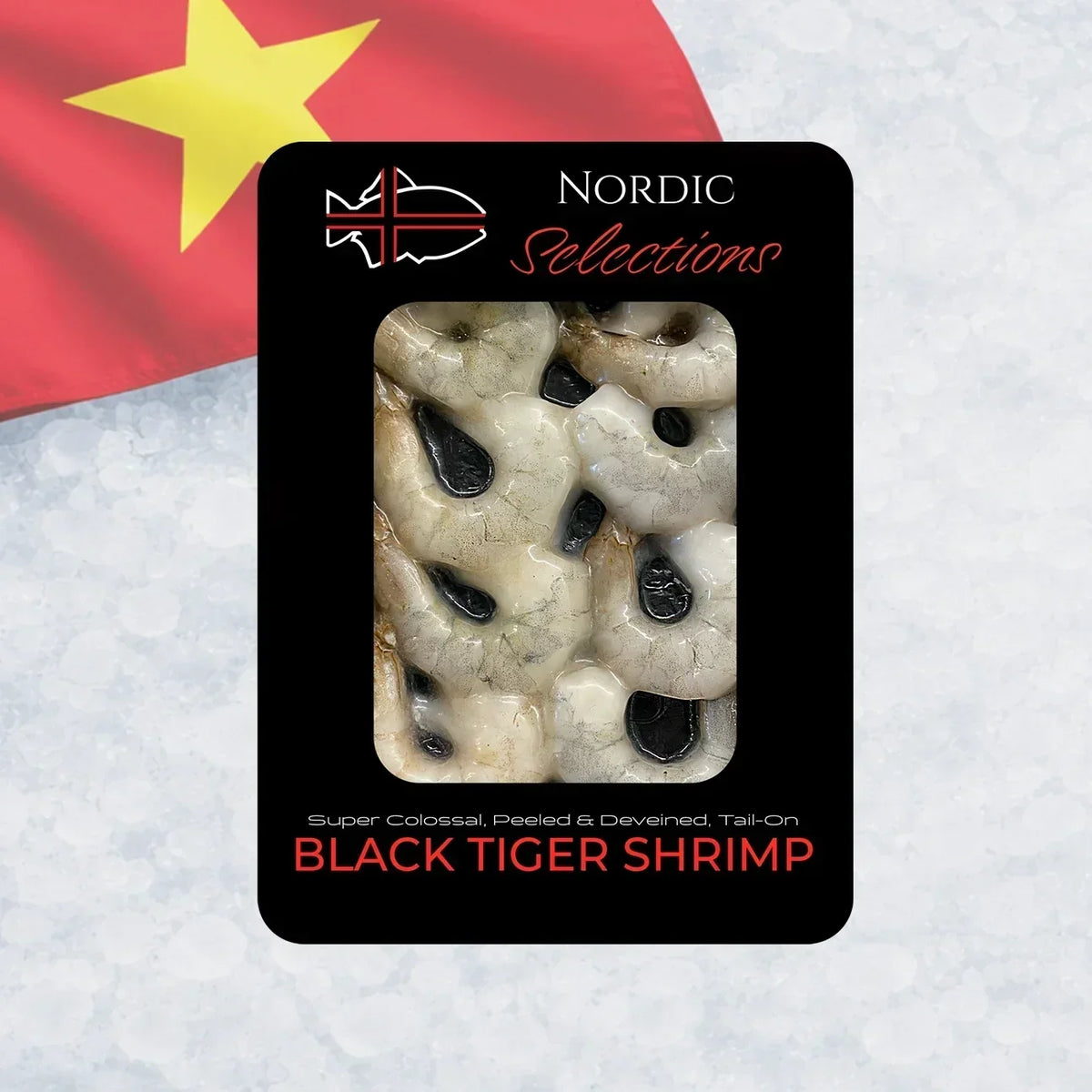
The shellfish is what you are paying for, so be specific about what goes in. Our Super Colossal Shrimp run 10 to 12 to the pound, peeled and deveined with the tail left on. That size matters in a boil. A shrimp that big can sit in rolling water for three minutes and still come out tender, where a 31/35 shrimp is overcooked in ninety seconds. Our shrimp sizing guide explains what the counts mean. The lobster is wild cold water Atlantic tail, about 5.5 ounces each, and the crab is wild snow crab merus meat, already out of the shell and already cooked. That last detail changes the order of operations, and we come back to it.
One honest point about frozen. Every piece of shellfish here ships frozen and vacuum sealed, and that is the correct way to buy shrimp, lobster tail and crab. Almost all shrimp is frozen close to the boat, and the so-called fresh shrimp at a supermarket counter is usually that same shrimp, thawed by the store on a day you do not know. Buying it frozen means you control the thaw. The difference between this boil and a bag of mixed frozen seafood is not frozen versus fresh. It is that you know the species, the size and the handling of each item, so you can time them separately.
Then there is the seasoning question. Old Bay style seasoning is the Chesapeake approach: celery salt, paprika, bay, black pepper and mustard, meant to season the cooking water so everything in the pot picks up the same baseline. A Cajun boil is the Louisiana approach: cayenne, garlic, paprika and oregano, usually finished with garlic butter poured over everything. You do not have to choose. We season the water Chesapeake style so the potatoes and corn carry flavor all the way through, then finish with a Cajun garlic butter for heat and richness. Either one alone also works.
Make this for a crowd, a summer weekend or a holiday when one dish should be the event. You need a 12 to 16 quart stockpot, a thermometer if you own one, and a clock. The ladder runs like this: potatoes cook about 12 minutes alone, then sausage and corn join for 5, then split lobster tails for 2, then shrimp for the final 3. The heat goes off, the crab meat goes in only to warm through, and the pot is drained. Roughly 22 minutes of actual boiling, in a fixed order. Get the order right and nothing else here is difficult.
Nutrition
A boil is a rich meal, and the numbers depend heavily on how much sausage and butter make it onto your plate. The figures below assume the full pound of andouille and all of the garlic butter shared across six servings, the honest worst case. The shellfish itself is lean and very high in protein, selenium and vitamin B12. The sodium comes mostly from the sausage, the crab and the seasoned water. Skip the sausage and halve the butter and the calories drop by roughly a third. Figures are built from USDA FoodData Central entries for cooked shrimp, northern lobster and snow crab, and are rounded. Estimated values per serving:
| Fats, Cholesterol & Sodium | % DV* |
| Total Fat 45g | 58% |
| Saturated 22g | 110% |
| Trans 0g | |
| Monounsaturated 14g | |
| Polyunsaturated 3g | |
| Cholesterol 435mg | 145% |
| Sodium 2,050mg | 89% |
| Carbs, Protein & Micronutrients | % DV* |
| Total Carbohydrate 44g | 16% |
| Dietary Fiber 4g | 14% |
| Protein 70g | 140% |
| Selenium 112mcg | 204% |
| Vitamin B12 10.6mcg | 442% |
| Zinc 7.5mg | 68% |
| Potassium 1,670mg | 36% |
Ingredients
- 2 lb (2 packs) Super Colossal Shrimp, peeled and deveined, tail on, thawedFeatured
- 2 tails (1 pack) Wild cold water Atlantic lobster tails, thawed and split lengthwise
- 1 lb (1 pack) Wild snow crab merus meat, fully cooked, thawed and kept cold
- 2 lb Small red potatoes, scrubbed, halved if large
- 4 ears Sweet corn, shucked and cut into halves or thirds
- 1 lb Andouille sausage, cut into 2 inch pieces
- 1/2 cup + 1/4 cup Old Bay style seasoning, plus kosher salt for the water, and 2 lemons, halved
- 12 tbsp (1 1/2 sticks) Butter, melted with 6 minced garlic cloves and 2 tbsp Cajun seasoning for the finish
Preparation
Thawing is the part people rush, and it is where the boil is won or lost. Move the shrimp, lobster tails and crab from the freezer to the refrigerator the night before, still in their sealed packs, and give them 12 to 24 hours. If you are short on time, the sealed packs can sit in a bowl of cold tap water for about an hour, changing the water once. Never use warm water and never add frozen shellfish straight to the pot. Frozen shrimp crash the water temperature, the ladder collapses, and the outside overcooks while the center is still cold. Our guide on how to safely thaw seafood covers why a slow thaw keeps the texture firm.
Once thawed, the lobster tails need one cut. Lay each tail top side up, run kitchen shears down the center of the shell from the wide end to the tail fan, then follow with a knife through the meat so you have two long halves. Split tails cook in about five minutes instead of ten, which lets them share the shrimp window, and the cut face soaks up the butter. Keep the crab meat in the refrigerator until the last minute. It is fully cooked already and only needs warming. Set a 12 to 16 quart pot on the stove, have a colander or a spider ready, and make the Cajun butter while the water comes up so it is done before the shellfish goes in. Here is the full checklist before the burner goes on:
- Thaw the shrimp, lobster tails and crab overnight in the refrigerator, still sealed.
- Split each lobster tail lengthwise through the shell and the meat.
- Pat the shrimp dry and keep them cold until the last three minutes of cooking.
- Scrub the potatoes and halve any bigger than a golf ball so they cook evenly.
- Shuck the corn and cut each ear into halves or thirds.
- Melt the butter with the garlic and Cajun seasoning over low heat while the water heats.
How to Cook
Everything below happens in one pot, in one order. Set a timer at each stage rather than eyeballing it, because the gaps are short. If you own an instant-read thermometer, use it on the lobster and the shrimp. If you do not, the visual cues are reliable and we give them at every stage. The USDA safe temperature chart lists 145F for fish and shellfish and the FDA describes done shellfish as pearly or white and opaque, and we note where our texture targets sit against that number.
-
Season the water
Fill a 12 to 16 quart pot with 6 quarts of water. Add 1/4 cup kosher salt, 1/2 cup Old Bay style seasoning and the juice of two lemons, then drop the squeezed halves in. Bring it to a hard boil for 10 minutes so the spices open up. Taste it. It should taste like well seasoned soup, not seawater. That works out to a little over 1 percent salt. Peeled shrimp take seasoning directly, with no shell in the way, so the heavy salt load of a shell-on Louisiana boil would oversalt them here.
-
Ladder in the starches
Add the potatoes and boil 12 minutes. Add the sausage and the corn and boil 5 minutes more. Test a potato with a paring knife: it should slide in with slight resistance, not fall apart, because the potatoes get another 5 minutes while the shellfish cooks. If they are still hard at this point, give them 3 more minutes before moving on. The sausage should be plumped and the corn bright yellow. Keep the water at a full rolling boil throughout, with the lid off.
-
Add lobster, then shrimp
Slide in the split lobster tails, cut side up, and start a 5 minute timer. At the 2 minute mark, add the shrimp and stir once so they are submerged. When the timer ends, the lobster shells are bright red and the meat is white and opaque, 140F to 145F in the thickest part, pulling away from the shell. The shrimp are pearly and opaque and curled into a loose C, about 120F inside. A shrimp curled into a tight O has gone too far, so pull the pot the moment you see the C.
-
Finish off the heat
Turn the burner off. Add the snow crab meat to the hot broth for 60 to 90 seconds, no longer. It is fully cooked already and only needs to warm through. Then lift everything out with a spider or drain it in a colander. Finishing off the heat matters because the shrimp keep cooking inside the hot pile after draining, which carries them up toward the 145F federal figure without turning them rubbery. Tip it all into a large bowl, pour over the Cajun butter, toss, and taste for lemon.
How to Serve
A boil does not have to mean newspaper and a hose. The classic dump onto a covered table is fun, but it also means cold food fast and butter soaking into the Sunday paper. A big shallow platter or two rimmed sheet pans do the same job, keep everything in reach, and let the butter pool where you can drag corn through it. Serve immediately: shellfish loses more in ten minutes on the table than in any other part of the process.
- Use a large shallow platter or two parchment lined sheet pans instead of newspaper. Every potato and ear of corn gets butter contact and the table stays clean.
- Warm any extra Cajun butter in a small pot and set it on the table with lemon wedges and a shaker of the same seasoning you used in the water.
- Leave the tails on the shrimp as handles and put one empty bowl on the table for shrimp tails and lobster shells so plates stay clear.
What to serve it with. keep the sides simple and acidic, because the boil is already rich, salty and buttery. Four things that hold up next to Cajun butter:
- Crusty bread. A baguette or sourdough, torn not sliced, for the butter and broth left on the platter.
- A vinegar slaw. Shredded cabbage with cider vinegar, a little sugar and salt, no mayonnaise. It cuts the butter.
- Something cold to drink. A crisp lager, a dry Riesling or iced tea with lemon. Heavy red wine fights the spice.
- Grilled lemon halves and hot sauce. Char the lemon halves cut side down in a dry pan while the pot boils, then squeeze at the table.
Leftover boil keeps in the refrigerator for up to two days, in line with our guide on how long to keep seafood in the fridge. Pull the lobster meat from the shells first, and store the shellfish separately from the potatoes and corn so it does not sit in butter and water. The best next day use is cold: shrimp and crab over greens with lemon. If you want it hot, warm the shellfish in a skillet with a spoon of the leftover butter for about a minute, just until it steams. Do not microwave shrimp, which pushes it straight past done. Potatoes and corn reheat fine in a hot oven. Never refreeze thawed shellfish.


